Body Contouring in Michigan: Planning Your Treatment Journey
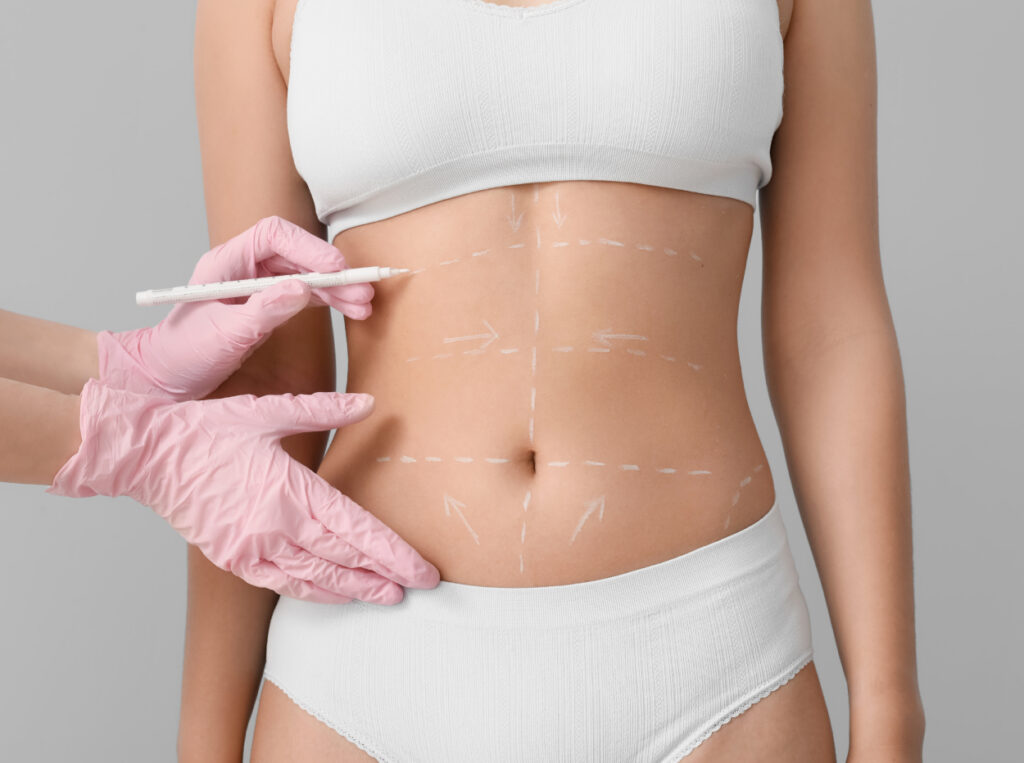
Body contouring is one of those categories in aesthetic medicine that sounds straightforward until you are actually trying to make decisions. Most people begin with a broad goal, slimmer waist, less fullness under the chin, tighter skin after weight loss, a better fit in clothing, and quickly realize there are several different treatments that all seem to promise a version of the same result. The real work is not choosing the treatment with the flashiest marketing. It is matching the right approach to your body, your recovery tolerance, your budget, and your expectations.
That matters even more when you are planning Body Contouring in Michigan, where seasonality, lifestyle, and access to care can influence the timing and practicality of treatment. A person scheduling liposuction in January may have a very different recovery mindset than someone considering non-surgical body contouring in late spring, just before lake season, vacations, and outdoor events. Timing is not everything, but it is rarely neutral.
The first useful distinction is this: body contouring is not weight-loss treatment. It is shape treatment. Patients are often most satisfied when they come in already close to a stable, realistic goal weight and want to improve contours that have resisted exercise and nutrition changes. If someone is still in the middle of major weight fluctuations, pregnancy planning, or a new fitness routine, it is often better to stabilize first. Body contouring tends to reward patience.
What body contouring can actually do
Body Contouring is an umbrella term. In practice, it may refer to surgical liposuction, skin-tightening procedures, fat-freezing or heat-based treatments, muscle-toning technologies, post-weight-loss surgery, or combination plans tailored to more than one concern. Two people can use the same phrase and mean completely different treatments.
For a patient with a stubborn lower abdomen but good skin tone, a non-surgical treatment may be enough to create visible improvement. For a patient who has lost 80 pounds and now has loose skin around the midsection and flanks, non-surgical fat reduction may miss the real issue entirely. Removing a small amount of fat does not solve excess skin. In that scenario, surgery may offer the more honest path.
This is where experienced consultation matters. A skilled provider does not start with the device or procedure. They start with tissue quality. They assess how much of the fullness is fat, how much is skin laxity, whether there is muscle separation, and whether asymmetry is likely to limit the result. They also ask where the patient notices the concern most often, in fitted dresses, workout clothes, photos, or when sitting. These details help translate a vague goal into a practical plan.
A common misunderstanding is that one treatment session can remake an entire silhouette. Sometimes that happens for small, targeted areas, but more often contouring is incremental. Even after excellent treatment, the body is still the body. Hips remain hips. Rib cages, pelvic width, old surgical scars, and genetic fat distribution still play a part. Patients who understand that usually feel more satisfied because they are judging progress against reality, not an edited image.
Why Michigan patients often plan differently
In Michigan, practical concerns shape treatment plans more than many people expect. Weather is one factor. Compression garments after surgery are easier to tolerate in cooler months than during July humidity. Swelling can also feel less disruptive when you are already dressing in layers. Patients who ski, snowmobile, run, golf, or spend weekends on the water usually need to think carefully about downtime and physical restrictions.
Work patterns matter too. Metro Detroit, Grand Rapids, Ann Arbor, Lansing, and other parts of the state include a mix of office professionals, health care workers, automotive employees, educators, and people with physically demanding jobs. Recovery planning looks different for someone who can work from home for a week than for someone who lifts, drives long distances, or stands for 10-hour shifts. A treatment that is advertised as having "minimal downtime" can still interfere with work if soreness, swelling, or compression requirements are not discussed honestly.
Michigan patients also tend to be practical shoppers. They ask sensible questions about value, not just price. That is smart. A lower sticker price is not always the better buy if you need multiple repeat sessions to chase the result you wanted in the first place. On the other hand, jumping to surgery without exploring whether a less invasive option fits your needs can also be a poor use of money and recovery time.
The major treatment categories, and where each fits
Surgical body contouring remains the strongest option for larger, more dramatic changes. Liposuction can reduce localized fat deposits in areas like the abdomen, flanks, thighs, upper arms, back, and under the chin. Skin removal procedures such as tummy tuck, arm lift, or thigh lift address laxity that no machine can fully tighten. These procedures involve more recovery, more planning, and more cost, but they also offer the most visible change for the right candidate.
Non-surgical body contouring is appealing because it asks less from the patient upfront. Depending on the technology used, it may cool fat cells, heat tissue, stimulate collagen, or trigger muscle contractions. This category can be useful for modest fat reduction, mild skin tightening, and contour refinement. It generally works best for patients who are already fairly close to where they want to be and need help with one or two targeted areas.
Then there are hybrid plans. These are often the most sensible. A patient may have liposuction to debulk one area and later use non-surgical skin tightening to refine the result. Another patient may start with non-surgical treatment, then decide whether the improvement is enough before committing to surgery. Good planning leaves room for staged decision-making.
One detail that often gets overlooked is how your skin behaves. A 32-year-old with elastic skin and a small lower belly pocket may see excellent retraction after fat reduction. A 52-year-old with sun damage, prior pregnancies, and abdominal laxity may not. Neither outcome is good or bad, but they are different. Providers who skip that conversation set up unrealistic expectations.
Choosing the right candidate version of you
The best time to pursue body contouring is usually when your weight has been stable for at least several months, your overall health is reasonably good, and you can comply with aftercare. If you are planning a major diet phase, fertility treatment, or a move that will disrupt follow-up care, waiting may be the smarter decision.
Nicotine use is another major issue. Smoking and vaping affect circulation and healing, particularly for surgical procedures. Some practices will not operate until patients have stopped nicotine for a required period. That can feel frustrating, but it reflects caution, not inflexibility. Poor healing is far more frustrating than a delayed timeline.
Patients also do better when they are emotionally grounded in their decision. Body contouring is personal. It often follows life changes such as pregnancy, menopause, massive weight loss, divorce, or a return to social confidence after years of feeling disconnected from one’s body. There is nothing wrong with wanting to look better. The problem comes when treatment is expected to fix a larger sense of dissatisfaction that has little to do with the treatment area itself.
A strong consultation should cover at least these points:
- What exactly is causing the contour concern, fat, loose skin, muscle laxity, or a combination.
- Whether a surgical or non-surgical option is more likely to achieve your stated goal.
- How many sessions or stages may be needed before you see the likely endpoint.
- What recovery, discomfort, and temporary swelling will realistically look like.
- What kind of result is possible for your anatomy, not for an idealized before-and-after gallery.
What a thorough consultation should feel like
A good consultation is specific. You should leave knowing not just what can be done, but why one method was recommended over another. If every area of the body seems to qualify for the same device, that is a red flag. Bodies are varied. Treatment plans should be varied too.
Expect the provider to evaluate the area standing up, not only lying down. Gravity changes contour. So does muscle tension. In the abdomen especially, standing posture can reveal lower belly prominence, flank fullness, prior scars, and skin drape more clearly than a brief exam on the table.
You should also expect some discussion of trade-offs. Surgical liposuction may remove more fat in one procedure, but it requires anesthesia considerations, compression, activity restrictions, and a longer visible healing process. A non-surgical option may be easier to fit into a busy schedule, but it may deliver subtler change and require multiple sessions. Neither path is universally better. The better path is the one aligned with your priorities.
Many experienced injectors and aesthetic surgeons can predict satisfaction more accurately from a patient’s language than from their BMI. When someone says, "I want to improve this area enough to feel better in my clothes," they are often easier to guide than someone who says, "I want perfection." Precision in goals usually produces better decisions.
Budgeting without making a rushed decision
Cost conversations are not superficial. They are part of treatment planning. In Michigan, pricing varies by region, provider experience, facility fees, and whether treatment is surgical or device-based. Urban and suburban practices may price differently than smaller markets, but lower local pricing does not automatically reflect equal expertise or support.
Ask what the quote includes. For surgery, that may involve surgeon fees, anesthesia, facility charges, garments, follow-up appointments, and possible medication costs. For non-surgical treatment, clarify how many sessions are included and whether touch-ups are commonly needed. A package that sounds reasonable can become expensive if the visible result generally takes more treatment than advertised.
Patients sometimes underestimate the indirect costs too. Time off work, childcare, rides after procedures, and replacing activity for a few weeks all carry value. One patient may choose a non-surgical route because she cannot carve out ten days of real downtime. Another may prefer one surgical recovery rather than three or four office visits spread over several months. These are practical choices, not vanity choices.
Recovery is part of the treatment, not an afterthought
One of the most common planning mistakes is treating recovery like a footnote. In reality, the result you enjoy later is shaped by what happens in the days and weeks afterward.
Swelling after surgical Body Contouring can persist longer than patients expect. Initial soreness may improve within days to weeks, but subtle swelling can linger for months before the final contour settles. Compression garments help, but they are not glamorous. They can feel tight, warm, and inconvenient under work clothes. That is normal, not a sign that anything is wrong.
Non-surgical treatments also have recovery patterns, even when marketed as simple lunchtime procedures. Temporary numbness, bruising, tenderness, redness, bloating, or a "worked out" sensation can affect your schedule more than you expected. Some people go right back to daily routines. Others are more aware of treatment areas for several days.
The emotional arc matters too. There is often a temporary phase where patients feel puffy, uneven, or unsure. That does not mean the treatment failed. It means healing is not linear. Experienced practices prepare patients for that phase because it reduces anxiety and unnecessary regret.
A realistic planning timeline often looks like this:
- Consultation and candidacy review, including photos, medical history, and discussion of goals.
- Treatment scheduling around work, family obligations, travel, and seasonal clothing or activity preferences.
- The early recovery window, when soreness, swelling, compression, and routine adjustments are most noticeable.
- The settling period, often weeks to months, when tissues soften and contour becomes easier to judge.
- Reassessment, which may confirm that you are finished or identify whether a second stage or maintenance treatment would help.
Matching treatment timing to your real life
There is a reason many Michigan practices see a surge of interest in cooler months. Patients often prefer to recover when social calendars are less demanding and concealing swelling is easier. Fall and winter can be a smart time for surgery because garments fit better under sweaters and heavier clothing. For someone planning a spring wedding, summer travel, or a beach vacation, that lead time can be ideal.
That said, there is no universal best season. Teachers may prefer summer break. Parents may schedule around school routines. Medical professionals and shift workers often look for weeks with lighter call schedules. The key is to decide based on actual logistics rather than hoped-for convenience.
I have seen patients plan wisely by mapping the recovery onto the most boring stretch of their calendar. That usually works better than trying to "squeeze it in" before a major event. If you are still visibly swollen and impatient the week before a reunion or destination wedding, even a good result can feel stressful.
Areas that deserve extra thought
get more infoThe abdomen gets most of the attention, but it is not always the most rewarding starting point. Sometimes the flank area, upper back, bra line, or under-chin region offers a more noticeable improvement with less treatment. Clothing fit often changes dramatically when those transition zones are refined.
Arms are another area where judgment matters. Some patients have excellent results with modest fat reduction alone. Others have skin laxity that becomes more obvious if volume is reduced without addressing the loose tissue. The inner thigh can be similar. This is why "Can you treat this area?" Is only half the question. The more important question is, "What will this area look like after treatment on my body?"
Post-pregnancy patients need particularly careful planning. A lower abdominal bulge may reflect fat, skin excess, and muscle separation at the same time. If the main issue is diastasis or stretched skin, non-surgical fat treatment may produce disappointment. An honest provider will say that clearly, even if surgery is not the answer you hoped to hear.
Post-weight-loss patients also deserve realism. After major weight reduction, skin redundancy can exist in multiple directions. Devices may help texture a bit in selected cases, but they rarely replace lifting procedures when laxity is substantial. The best plans in this group are often staged, thoughtful, and built around safety first.
How to evaluate a Michigan provider
Credentials matter, but communication matters almost as much. You want someone who can explain why a recommendation fits your anatomy and who is willing to say no when a treatment is unlikely to satisfy you. In Body Contouring in Michigan, as anywhere else, the best consultation is not always the most enthusiastic one. Sometimes it is the one that narrows the plan instead of expanding it.
Look at before-and-after photos with discipline. Seek patients with a body shape, skin quality, and treatment area similar to your own. Do not be swayed only by dramatic lighting changes or poses that exaggerate the difference. Ask how long after treatment the photos were taken. Early swelling resolution and final contour are not the same milestone.
It is also fair to ask who will perform the treatment, especially in med spa settings where the consultation, device use, and follow-up may involve different team members. That does not mean a team model is bad. It means you should know who is responsible for planning, execution, and aftercare.
A practice that takes post-procedure support seriously tends to be better organized overall. Clear instructions, prompt responses to questions, scheduled follow-ups, and realistic preparation often signal good clinical habits. Those details may not appear in advertising, but they shape patient experience in a very real way.
The result you are really planning for
Most patients say they want a flatter stomach, leaner thighs, or a more sculpted waist. What they often mean is simpler. They want to stop adjusting their shirt all day. They want jeans to sit better. They want to feel less self-conscious in photos, or more proportionate when they work hard to stay healthy. Those are grounded goals, and body contouring can be very effective when treated as refinement rather than reinvention.
The smartest treatment journeys are rarely impulsive. They are built through clear assessment, honest expectations, and timing that respects recovery instead of minimizing it. Whether you are considering surgery or a non-surgical option, Body Contouring in Michigan works best when the plan fits not only your body, but your actual life.
That is the standard worth using. Not the trendiest device, not the loudest promise, not the cheapest quote. A result that looks natural, heals well, and still feels like a good decision six months later is usually the right one.
Aesthetic Plastic Surgery & Laser Center, Michelle Hardaway M.D.
Address: 27920 Orchard Lake Rd, Farmington Hills, MI 48334
Phone number: +12482211957
FAQ About Body Contouring in Michigan
What does body contouring actually do?
Body contouring (or body sculpting) eliminates stubborn localized fat, tightens loose, sagging skin, and reshapes your silhouette. It is not a weight-loss tool, but rather a cosmetic procedure used to refine and tone specific trouble spots after major weight loss, pregnancy, or aging.
How much does body contouring usually cost?
The total cost of body contouring usually ranges from $2,000 to $25,000+ depending entirely on whether you choose non-surgical sessions or major surgical procedures.
Because "body contouring" covers everything from simple fat-freezing to comprehensive post-weight-loss surgeries, pricing is heavily categorized by the method used.
What is the best type of body contouring?
Liposuction is a huge topic and worth discussing in more detail, but in terms of body contouring and sculpting, nothing does the job better than liposuction, particularly VASER liposuction.