Liposuction Michigan for Targeted Fat Reduction Results
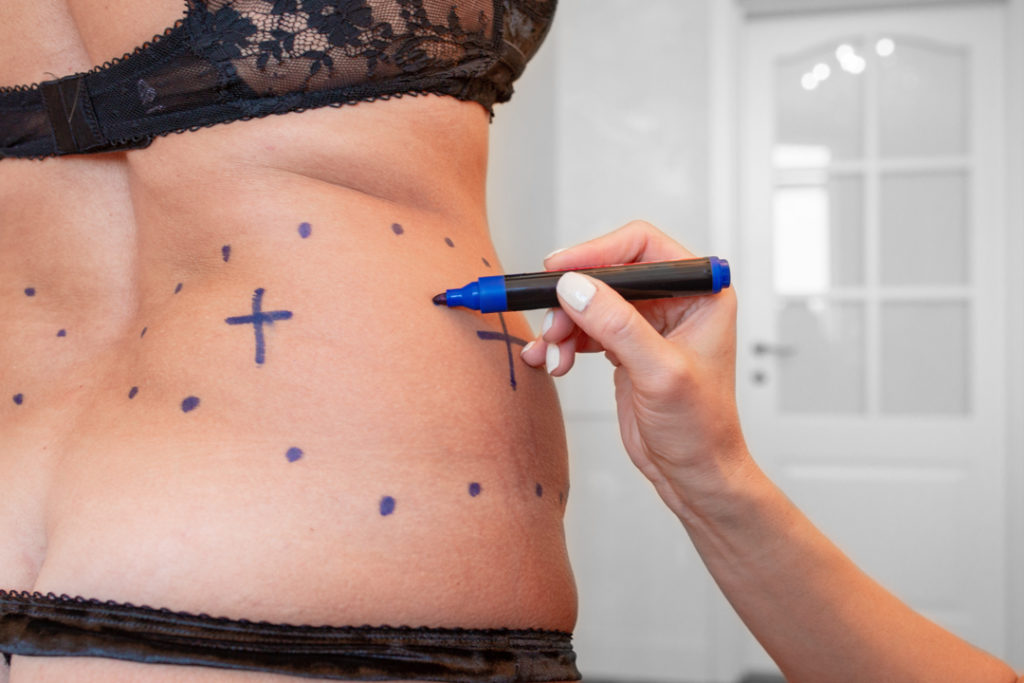
For many people, the most frustrating body contour concerns are not about overall weight. They are about specific areas that seem resistant to every reasonable effort. A patient may exercise four or five days a week, eat well most of the time, and still feel discouraged by fullness at the abdomen, flanks, under the chin, outer thighs, or upper arms. That is where liposuction enters the conversation. It is not a shortcut for health, and it is not a substitute for weight loss. It is a contouring procedure designed to remove localized fat deposits that do not respond predictably to diet and exercise.
When people search for Liposuction Michigan, they are often looking for a practical answer to a very specific problem: how to refine shape when the scale is not telling the whole story. In clinical practice, that distinction matters. The best liposuction candidates are often already doing many things right. They may be close to their comfortable, sustainable weight, but still carry genetically influenced pockets of fat that affect clothing fit and confidence. Liposuction can address that mismatch between effort and appearance, provided the patient understands what the procedure can and cannot do.
What liposuction is really meant to treat
Liposuction removes fat cells from targeted areas through a small cannula placed beneath the skin. The procedure is meant to improve contour, proportion, and silhouette. It is not designed to treat obesity, poor skin quality, or significant muscle laxity. This distinction is easy to miss because before and after photos tend to focus attention on visible change, not on the nuances behind patient selection.
In a well-selected case, the improvement can be striking. Someone with a persistent lower abdominal bulge despite a stable weight may see a smoother waistline and flatter profile in fitted clothing. Another person may finally feel that the fullness beneath the chin no longer dominates their face in photographs. A patient with outer thigh fullness may find that pants hang more evenly without pulling at the hips. These are not small quality-of-life details. They are often the exact reasons people pursue body contouring in the first place.
What liposuction does not do is tighten loose skin in a dramatic way. If the skin has good elasticity, it can retract to some degree after fat removal. If the skin is already stretched, thin, or crepey, liposuction alone may leave residual looseness that bothers the patient almost as much as the fat did. This is one of the most important judgment calls in consultation, and it is where experience matters more than marketing language.
Why targeted fat behaves differently
Localized fat deposits are influenced by genetics, hormones, age, sex, and body structure. Two people can follow the same workout plan and have very different patterns of fat distribution. One may gain weight primarily at the midsection. Another may stay lean through the torso but develop fullness at the inner knees or under the chin. This is why generic advice like “just lose ten pounds” often misses the point.
In practice, many patients considering Liposuction Michigan are not chasing an unrealistic body ideal. They are trying to correct one or two stubborn areas that remain out of proportion to the rest of the body. A woman in her forties may notice lower abdominal fullness that persisted after pregnancies, even after returning to a healthy weight. A man may have flanks that obscure his waist despite regular strength training. Someone else may have hereditary fullness in the upper arms and avoid sleeveless clothing for years. These concerns are common, and they are often highly specific.
That specificity is part of what makes liposuction effective when used correctly. It allows treatment to be customized by area, degree of fullness, skin quality, and the patient’s overall build. Good contouring is not just about removing fat. It is about removing the right amount from the right planes while preserving smoothness and balance.
Common areas treated with liposuction
The areas most often treated tend to be the places where diet-resistant fat collects in recognizable patterns. The abdomen and flanks remain among the most requested sites because they strongly influence the body’s outline. The thighs, particularly the inner and outer thighs, are also common, especially when fullness creates friction, asymmetry, or challenges with clothing fit.
The upper arms can respond well in patients with decent skin tone. Submental fullness, often described as a double chin, is another popular treatment area because even a modest reduction can sharpen the jawline and improve profile definition. Some patients seek liposuction for the back, bra line, chest, knees, or even combinations of several areas in a single session, depending on safety considerations and the total planned volume.
Not every area responds equally, and not every patient is a match for every area. For example, the neck can look excellent after careful liposuction in a younger patient with elastic skin, but the same procedure in someone with more skin laxity may need to be paired with another approach to achieve a satisfying result. Similarly, arm liposuction can create elegant improvement in one patient and disappointing looseness in another. The procedure itself is only half the story. The tissue characteristics decide a great deal.
What a strong candidate usually looks like
Good candidacy depends less on a single number and more on a pattern of findings. Surgeons generally look for stable weight, realistic expectations, and localized fat that can be pinched and mapped as a contour issue rather than a generalized weight issue. Skin quality is crucial. So is overall health.
The strongest candidates are often within a reasonable range of their long-term goal weight and have been there for a while. That matters because liposuction results are easier to evaluate, and easier to maintain, when body weight is not swinging up and down. If someone plans to lose a substantial amount of weight soon, it may be smarter to delay surgery and reassess once their weight stabilizes.
Expectations deserve as much attention as anatomy. The happiest patients usually understand that liposuction refines shape rather than transforms identity. They want better proportion, not perfection. They know there may still be natural asymmetries and that swelling can temporarily hide the result. They are also prepared for the recovery period, which is often easier than people fear but rarely effortless.
The consultation matters more than the device name
Patients often arrive with questions about a specific technology they saw online. Energy-assisted systems, power-assisted techniques, and branded platforms all have their place, but the conversation should start with the patient, not the machine. The quality of the surgical plan usually matters more than the name of the equipment being used.
A careful consultation should address the patient’s goals, medical history, previous surgeries, skin tone, fat distribution, and recovery timeline. It should also include an honest discussion of limitations. If the abdomen has a significant skin overhang or muscle separation, liposuction alone may not produce the flatness the patient expects. If the concern is cellulite, liposuction may do little to help and can sometimes make skin irregularities more noticeable. These are not reasons to abandon treatment. They are reasons to choose the right treatment.
The best consultations are detailed and calm. They do not rely on exaggerated promises. They explain where scars will likely be placed, what recovery tends to feel like, how compression garments are used, and when swelling typically starts to improve. They also explain that final results take time. Patients who understand the timeline tend to navigate recovery with much less anxiety.
Technique, artistry, and the difference between “less fat” and “better shape”
Liposuction sounds straightforward on paper: insert a cannula, remove fat, close small access sites. In reality, the procedure requires restraint and three-dimensional judgment. Over-resection can look as unnatural as under-treatment. Uneven depth or aggressive passes can create contour irregularities. Leaving the right amount of fat in strategic areas is often just as important as removing it.
This is where surgical artistry becomes obvious. A torso should look balanced from the front, side, and oblique view. The transition from the waist to the hips should appear smooth. The abdomen should fit the rest of the body rather than look abruptly flattened compared with untreated zones. In the neck, small changes in volume can dramatically alter definition, so precision matters.
Patients sometimes assume more removal automatically means a better result. Experienced surgeons know that this is not always true. The goal is contour harmony, not maximum extraction. A refined, natural-looking outcome often comes from thoughtful shaping rather than aggressive removal.
Recovery is usually manageable, but it is still real surgery
One reason liposuction remains popular is that recovery is often quite tolerable compared with what first-time patients imagine. That said, it is still surgery. The first few days can involve drainage from the small access points, soreness similar to an intense workout, swelling, stiffness, and bruising. Compression garments are commonly recommended to support the tissues and help manage swelling.
Most patients can move around the same day, and that early movement is helpful. Return to desk work often happens within several days to about a week, depending on the extent of treatment and the individual’s comfort. Strenuous exercise usually waits longer. Swelling improves in stages, not all at once. Early changes may be visible soon, but refinement continues for weeks and then months.
The emotional side of recovery deserves mention too. Even straightforward healing can test patience. A patient may look puffier before looking better. One side may seem to settle faster than the other. Clothing may fit oddly while swelling shifts. None of this necessarily signals a problem, but it can be unnerving if no one prepared the patient for it. Good preoperative counseling makes a major difference here.
Questions worth asking at a consultation
Before scheduling any body contouring procedure, a patient should leave the consultation with a clear sense of the plan, the limits, and the recovery. A few focused questions often reveal whether the discussion is grounded and thoughtful.
- Am I a strong candidate for liposuction alone, or would another procedure address my goals more accurately?
- How is my skin elasticity likely to affect the result in the areas I want treated?
- What level of swelling, bruising, and time away from normal activities should I realistically expect?
- What result do you think is achievable for my anatomy, not for an idealized before and after gallery?
- How often do you perform liposuction in these specific areas?
These questions are useful because they move the conversation beyond price and buzzwords. They get to the heart of whether the treatment plan actually fits the patient.
How Liposuction Michigan patients often weigh timing and lifestyle
Timing has a lot to do with satisfaction. Someone planning a pregnancy, a major weight-loss effort, or a demanding athletic season may benefit from postponing surgery until life is more stable. Liposuction is easiest to appreciate when the body is not in a period of rapid change.
Season also comes up more often than people expect. In colder climates, many patients prefer surgery during fall or winter because compression garments are easier to conceal under layers, and there is less pressure to be pool-ready in the short term. That said, recovery can be managed in any season if the patient plans well. The better question is whether there is enough room in the schedule for downtime, follow-up visits, and a gradual return to exercise.
Lifestyle after surgery matters too. Liposuction removes fat cells from treated areas, but it does not make the body immune to future weight gain. Remaining fat cells can still enlarge. Patients who maintain stable habits usually enjoy long-lasting contour improvement. Patients with significant weight fluctuation may see the result blur over time. That is not a failure of the procedure. It is simply how body composition works.
Costs, value, and what people should be evaluating
Price is part of the decision, but it should not be the only lens. Liposuction fees vary based on the number of areas treated, the extent of surgery, the setting, anesthesia, geographic market, and surgeon expertise. A lower quote is not always a better value if it reflects rushed planning, limited follow-up, or a mismatch between the recommended procedure and the patient’s actual needs.
Value in cosmetic surgery is closely tied to judgment. If a surgeon talks a patient out of liposuction because the skin quality is poor and another option would be more appropriate, that is a sign of professionalism, not a lost sale. If the consultation focuses on one-size-fits-all promises, that should raise concern. Patients do best when they feel they are being assessed individually rather than steered automatically toward a predetermined package.
For many people searching for Liposuction Michigan, the real goal is not the cheapest procedure. It is a result that looks natural, heals well, and remains satisfying years later. That kind of value often comes from careful candidacy screening, technical consistency, and transparent communication.
What results usually feel like in everyday life
The visible change from liposuction is only part of why people are pleased. Often the most meaningful difference shows up in ordinary moments. A patient notices that a blazer closes more cleanly through the waist. Another realizes they no longer tug at the hem of a shirt to hide lower abdominal fullness. Someone with submental liposuction may find themselves less self-conscious on video calls or in candid side-profile photos.
These are not dramatic movie-style transformations. They are quieter, more practical improvements, which is part of why they tend to endure psychologically. A successful result usually feels believable to the patient’s life. Clothes fit better. Proportions seem more consistent. The person still looks like themselves, just more aligned with the way they expected their body to respond to the effort they were already making.
That is the promise of targeted fat reduction when it is done thoughtfully. Liposuction is not about replacing healthy habits or manufacturing perfection. It is about correcting localized contour issues with precision, restraint, and a realistic plan. For the right patient, that can make a substantial difference, not just in shape, but in comfort and confidence over the long term.
The bottom line on choosing wisely
Anyone considering Liposuction Michigan should approach the process with a clear head and specific goals. The strongest outcomes come from matching the procedure to the anatomy, not the other way around. If the concern is truly a stubborn pocket of fat and the skin has enough elasticity to redrape well, liposuction can be one of the most effective contouring tools available.
It helps to think of the procedure as sculpting rather than shrinking. The point is not simply to remove volume. The point is to create better balance. Liposuction Michigan When that balance is achieved, the result tends to look natural in motion, in clothing, and in the mirror over time. That is what most patients are actually looking for, and when the plan is right, liposuction can deliver exactly that.
Aesthetic Plastic Surgery & Laser Center, Michelle Hardaway M.D.
27920 Orchard Lake Rd, Farmington Hills, MI 48334, United States
+1 248-221-1957
FAQ About Liposuction Michigan
Is 55 too old for liposuction?
Age 55 alone does not determine suitability. A surgeon evaluates overall health, skin quality, healing risks, and realistic goals. A personal consultation is needed to assess candidacy and discuss alternatives.
What happens 10 years after liposuction?
Contour improvements can last, especially with stable weight. Aging, pregnancy, and weight changes can alter the appearance over time. Results vary, and liposuction does not prevent future body changes.
Can lipo get rid of an apron belly?
Liposuction reduces localized fat but does not remove hanging excess skin. An apron belly may require assessment for a skin-removal procedure instead of, or alongside, fat removal. A qualified plastic surgeon can explain appropriate options and their risks.