What You Should Avoid Before Liposuction in Michigan
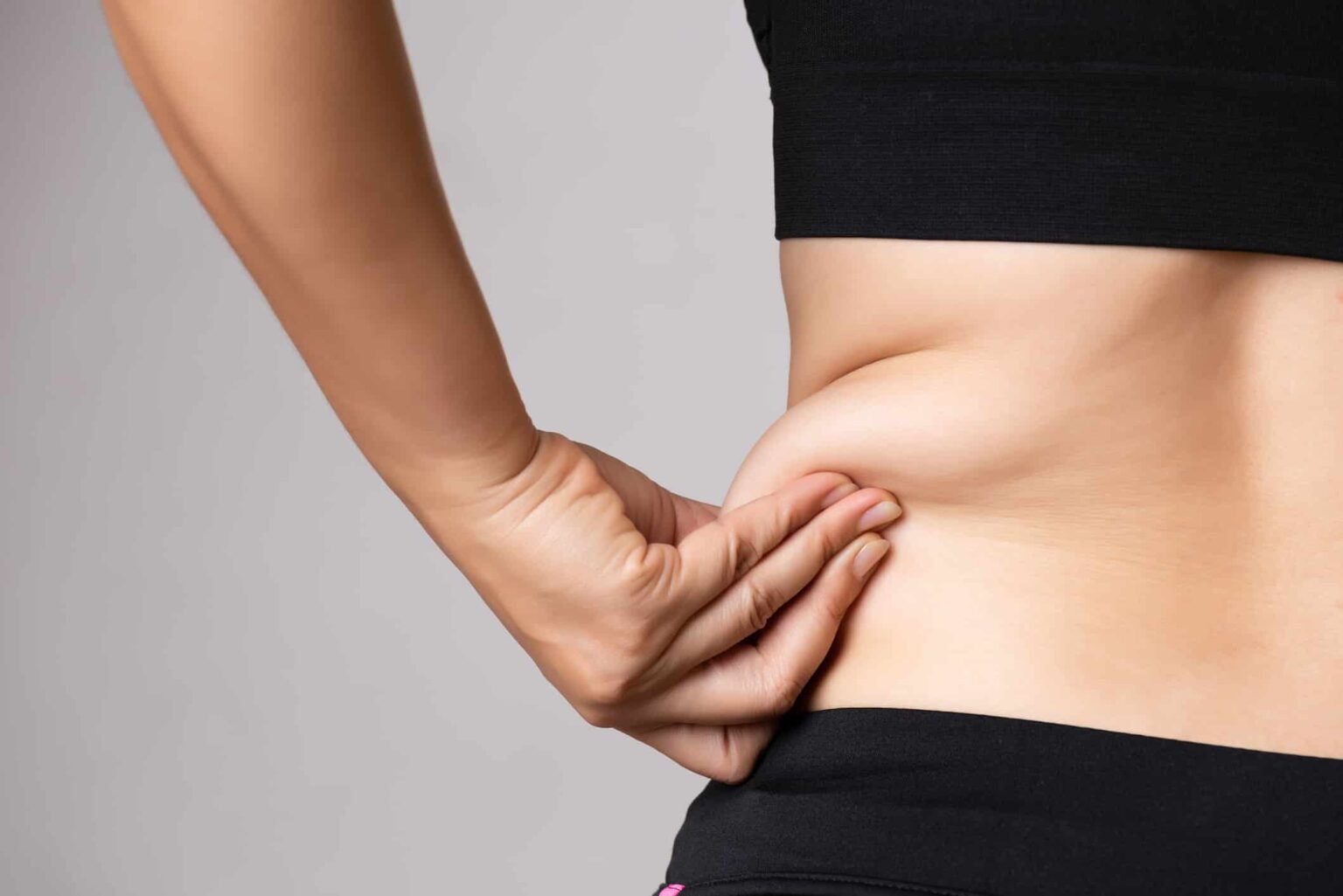

Deciding to have liposuction is rarely impulsive. Most patients think about it for months, sometimes years, before they schedule a consultation. They compare techniques, look at recovery timelines, talk with partners, and weigh the cost against the result they want. By the time surgery is on the calendar, the focus often shifts to the obvious questions: what area to treat, how much time off to take, what to wear afterward.
The less glamorous part, and the part that can quietly affect your safety and result, is what happens in the weeks leading up to surgery. What you avoid before liposuction matters just as much as what you do. In practice, many preoperative setbacks come from ordinary habits patients do not realize can interfere with anesthesia, increase bruising, slow healing, or raise the risk of complications.
For anyone planning Liposuction Michigan patients often ask about, the pre-op period should be treated as part of the procedure itself. A smooth surgery is usually built on a series of smart choices made beforehand, often small ones, repeated consistently.
Why the weeks before surgery matter so much
Liposuction may be elective, but it is still real surgery. Even when performed in an outpatient setting and even when the treatment area seems straightforward, your body has to handle anesthesia, fluid shifts, inflammation, and tissue healing. That means your circulation, nutrition, medications, and daily habits all come into play.
I have seen people prepare carefully for the “big” concerns and overlook the basics. Someone will arrange childcare, buy compression garments, and clear their work calendar, yet continue smoking socially on weekends or taking a supplement they assume is harmless because it is sold over the counter. Those are the kinds of details surgeons flag for a reason. A body that is well prepared tends to bruise less, recover more predictably, and tolerate surgery better.
Michigan patients also have a few practical realities that can affect timing and preparation. Winter weather can limit activity and make transportation harder during early recovery. Dry indoor heat can contribute to dehydration. Seasonal illnesses move through households and workplaces. None of that means surgery should be avoided during colder months, only that preparation needs to be deliberate.
Do not hide your full medical history
One of the most common mistakes before liposuction is minimizing health information out of embarrassment or fear that surgery will be postponed. Patients sometimes leave out nicotine use, weight-loss injections, a recent illness, or a prior bad reaction to anesthesia because they do not want “a problem.” In reality, the problem is not the history itself. The problem is the surgeon and anesthesia team not knowing about it.
If you have high blood pressure that runs a little above normal, tell them. If you had chest pain checked out two years ago, mention it. If you vape but do not consider yourself a smoker, say so clearly. If you are using semaglutide or another GLP-1 medication, even if it is for weight management rather than diabetes, that needs to be disclosed. These medications can affect stomach emptying and may change pre-op instructions.
A truthful medical history helps your surgeon decide whether timing, anesthesia planning, medication adjustments, or additional clearance are necessary. That is not bureaucracy. That is risk management.
Avoid nicotine in every form
This is one of the clearest, least negotiable points. Nicotine constricts blood vessels. When blood flow narrows, oxygen delivery to healing tissues falls. That can increase the chance of delayed healing, skin problems, and a rougher recovery overall.
Patients often think cigarettes are the issue but vaping is not, or that cutting down is good enough. The body does not make that distinction in the way people hope. Cigarettes, e-cigarettes, nicotine gum, nicotine pouches, and patches can all matter. Even occasional social smoking can interfere with healing.
Most surgeons want nicotine stopped well in advance of surgery, often several weeks before and after the procedure, though the exact timeline varies by practice. If quitting completely feels overwhelming, it is far better to discuss that honestly during consultation than to guess and hope for the best. A short delay in surgery is frustrating. A wound-healing problem is worse.
I remember one patient who insisted she had “quit smoking,” but during pre-op discussion it came out that she still vaped most evenings. She truly did not think it counted. Her surgery was rescheduled. At the time, she was upset. A month later, she admitted the delay probably saved her from a harder recovery.
Do not take blood-thinning medications or supplements unless your surgeon clears them
This is another area where people get tripped up by the word “natural.” Many nonprescription products affect bleeding and bruising. Some patients stop prescription medications on their own, which can be dangerous. Others continue supplements because they seem mild and health-oriented.
Never make medication changes without instructions from your surgeon and, when appropriate, the prescribing physician. What needs to be stopped, what must be continued, and what requires a bridge or adjustment depends on the reason you take it.
Common items that often come up during liposuction preparation include:
- Aspirin and aspirin-containing products
- Ibuprofen, naproxen, and some other NSAIDs
- Fish oil, vitamin E, ginkgo, garlic supplements, and ginseng
- Prescription blood thinners such as warfarin, apixaban, or rivaroxaban
- Certain herbal blends, pre-workout formulas, or “fat burners” with unclear ingredients
The larger point is not to self-manage your medication list. Bring everything, prescription bottles, supplement containers, even powders and gummies, to your pre-op review if needed. Patients are often surprised by how many products they take automatically without considering surgical impact.
Avoid crash dieting and last-minute weight loss efforts
A lot of people want to be at their “best” weight before liposuction, which is understandable. The mistake is trying to force that outcome in the final weeks with an aggressive diet, dehydration, excessive cardio, or appetite suppressants bought online.
Crash dieting can leave you undernourished, fatigued, and more vulnerable to poor healing. Protein intake often drops. Iron intake can fall. Fluid balance becomes erratic. Sleep worsens. Some people arrive for surgery proud that they lost eight or ten pounds quickly, but they are lightheaded, constipated, and depleted.
Liposuction is not a substitute for weight loss, and it also is not helped by frantic last-minute scale chasing. The better target is weight stability. Most surgeons prefer patients to be at a maintainable weight they have held for some period of time. Stable habits usually produce more predictable contouring and make postoperative maintenance more realistic.
That matters for Liposuction Michigan practices see year-round. If your surgery is timed around summer events, weddings, or travel, resist the urge to panic-diet in spring. A body that is well fed and steady is usually a better surgical candidate than a body that is lighter but stressed.
Do not show up dehydrated
Dehydration is more common than people think before surgery. Sometimes it comes from dieting. Sometimes it comes from caffeine-heavy routines and poor water intake. Sometimes people cut fluids too early because they misunderstand fasting instructions.
You should follow the fasting directions from your surgical team exactly, but fasting does not mean spending the prior two days underhydrated. In the days leading up to surgery, most healthy patients benefit from drinking fluids consistently and avoiding the boom-and-bust cycle of coffee, energy drinks, and very little water.
Signs you are behind on hydration are not subtle once you know them: dry mouth, headaches, dark urine, constipation, and that washed-out feeling people blame on stress. Good hydration can help with IV placement, circulation, and the way you feel going into surgery. It is not a glamorous part of prep, but it is one of the simplest ways to avoid making the day harder than it needs to be.
Avoid alcohol, especially close to surgery
Many patients underestimate alcohol because it is so socially ordinary. A couple of drinks on the weekend can seem irrelevant to surgery scheduled days later, but alcohol can affect hydration, sleep quality, liver function, bleeding, and interactions with medications.
It also has a way of loosening judgment. Patients who are trying to “be good” before surgery may still go out, drink more than planned, eat poorly, and sleep badly. That combination tends to snowball into dehydration and fatigue by the start of the week.
Most surgeons advise stopping alcohol for a period before liposuction, often at least several days and sometimes longer depending on your health, medications, and procedure details. If you drink regularly, be honest about how much. “Social drinking” means very different things to different people, and accurate information helps your team plan safely.
Do not ignore infections, rashes, or recent illness
People are often tempted to push through minor illness because rescheduling feels inconvenient. That is understandable, especially when time off work, family help, and travel are already arranged. Still, surgery should not move forward casually if you are sick, developing a skin infection, or recovering from something contagious.
Even a “small” issue can matter if it affects the area being treated or your overall immune status. A rash under the abdomen, an ingrown hair that became inflamed, a sinus infection, a lingering cough, cold sores, or flu-like symptoms all deserve a call to the office. Skin must be in good condition before liposuction. Your surgeon needs to know if anything changes.
This is particularly relevant during Michigan winters, when respiratory viruses circulate heavily and people spend more time indoors. If you wake up the week of surgery feeling off, speak up early. Most surgeons would rather assess a concern in advance than have you arrive on surgery day and create a last-minute problem.
Avoid unapproved cosmetic treatments before your procedure
Patients trying to “freshen up” before surgery sometimes schedule other treatments without thinking through the timing. Waxing, laser hair removal, strong chemical peels, tanning, microneedling, and injectable treatments near or over planned surgical areas can irritate the skin or complicate healing.
Skin that is sunburned, inflamed, or sensitized is not ideal skin to operate on. Even something as basic as a self-tanner can become annoying because it obscures the surgeon’s ability to assess skin tone and markings on the day of surgery.
If you want another treatment done before liposuction, ask first. The answer may be yes with the right spacing, or no because the timing is too close. Either way, do not guess. The same goes for massage treatments over the area, body wraps, and detox services that promise to “prep” your lymphatic system. Most are unnecessary. Some are irritating. A few are simply expensive distractions.
Do not overdo exercise in the final stretch
Exercise is generally a positive habit before surgery, and patients in decent cardiovascular condition often recover better. The issue is intensity, timing, and the reason behind it. If you suddenly increase your workouts because you want to “tighten everything up” before liposuction, you can create soreness, inflammation, dehydration, and fatigue.
Heavy leg training right before thigh liposuction, for example, can leave tissue swollen and tender. Intense core sessions before abdominal liposuction can make the area uncomfortable even before surgery starts. Contact sports and any activity with a realistic chance of bruising should also be avoided near the procedure date.
Moderate, familiar exercise is usually a better choice than heroic effort. Walking, steady cardio, and regular movement are often helpful. The week before surgery is not the time to test your limits or start a punishing challenge you saw online.
Avoid making recovery harder than it needs to be
A surprising amount of pre-op success comes from avoiding logistical mistakes. Patients focus on surgery itself and forget that the first forty-eight hours after liposuction can feel awkward. You may be sore, groggy, compressed in garments, and moving more slowly than usual. A little foresight matters.
Do not wait until the night before to fill prescriptions. Do not assume you can drive yourself home or “probably be fine” alone that first evening if your surgeon has recommended support. Do not plan to stop at the grocery store after the procedure. And do not schedule surgery immediately before a major family event, a packed workweek, or a flight unless your surgeon believes that timing is safe.
The smoothest recoveries tend to happen when patients simplify. They prepare a resting area, have easy food at home, arrange help if needed, and give themselves room to recover without pretending they will bounce back by the next morning.
A short practical pre-op check often helps:
- Fill prescribed medications ahead of time
- Arrange a responsible adult to drive and stay if instructed
- Prepare loose clothing and your recovery space in advance
- Have simple meals, water, and supplies ready at home
- Clear your schedule enough to rest, not just “work from bed”
None of this is dramatic. That is the point. Good surgical preparation usually looks ordinary, even boring. It reduces preventable stress.
Do not disregard fasting instructions
Pre-op fasting is one area where patients sometimes improvise, and that is a mistake. If your instructions say no solid food after a certain hour, or only clear liquids up to a certain time, follow those directions precisely. Do not assume black coffee is “basically nothing” or that a protein shake counts as a liquid in the same way water does. It may not.
These rules exist to reduce aspiration risk during anesthesia. They are not optional, and they are not a test of self-discipline. They are safety instructions. If you accidentally eat or drink outside the allowed window, tell the team immediately. Hiding it could put you at real risk.
At the same time, do not expand fasting beyond what you were told because you think longer must be safer. Patients sometimes stop fluids too early, then arrive dry, anxious, and harder to manage. Follow the actual guidance you were given, not a version you found in a forum or remembered from a different procedure years ago.
Avoid unrealistic expectations about what liposuction can do
This may not sound like a pre-op “avoid,” but it is one of the most important. Avoid going into surgery expecting liposuction to act like weight-loss surgery, skin-tightening surgery, and a complete lifestyle reset Liposuction Michigan all at once. It is a body contouring procedure. It can produce meaningful changes, sometimes striking ones, but it works best when the goal matches the tool.
Patients are happiest when they understand that swelling takes time to settle, asymmetry can exist naturally before surgery, and skin quality limits the final appearance as much as fat volume does. Someone with good skin tone and localized fullness will usually see a different type of result than someone with significant laxity or major weight fluctuations.
This is where the consultation matters more than any social media before-and-after. A seasoned surgeon will often spend more time discussing what not to expect than what is possible. That is not negativity. It is professionalism.
The Michigan factor: climate, travel, and timing
Planning liposuction in Michigan brings some practical prep issues worth mentioning. If your surgery falls during icy months, avoid assuming you will feel up to navigating snow, salt, slippery steps, or a long car ride right away. Winter recovery can be perfectly manageable, but transportation and home setup deserve attention.
In summer, the issue tends to be the opposite. Patients want to recover fast enough for lake trips, weddings, or vacations, and they underestimate how uncomfortable heat, sweating, and prolonged car or plane travel can be while wearing compression garments. Schedule with enough margin that you are not measuring recovery against a social deadline.
For patients traveling within the state for Liposuction Michigan consultations and surgery, distance matters. If your surgeon is an hour or two away, think through the return trip, follow-up appointments, and how you will handle unexpected questions after hours. Convenience should not outweigh surgeon quality, but logistics should be realistic.
What to do if you have already slipped up
Sometimes patients call the office embarrassed because they forgot and took ibuprofen, had drinks at an event, got a cold, or vaped “just once.” The best move is simple: tell the truth quickly. Do not wait and hope no one notices.
A single slip does not always mean cancellation, but the team needs accurate information to judge timing and safety. In my experience, the patients who create the biggest problems are not the ones who made a mistake. They are the ones who tried to hide it because they feared inconvenience.
Most surgeons would rather have an awkward conversation than deal with avoidable bleeding, anesthesia risk, or poor healing later.
The habits that support a better result
What you avoid before liposuction ultimately comes down to protecting circulation, reducing inflammation, lowering bleeding risk, and giving your body the best chance to heal cleanly. That means staying away from nicotine, unapproved supplements, dehydration, alcohol excess, unnecessary skin irritation, and the kinds of last-minute habits that make patients feel proactive while actually working against them.
The people who tend to do well are not usually the ones chasing shortcuts. They are the ones who ask questions early, follow instructions closely, eat normally, sleep as well as they can, and treat the pre-op period with respect. Liposuction rewards that Liposuction Michigan kind of steadiness.
If you are considering Liposuction Michigan residents often pursue to address stubborn abdominal, flank, thigh, or arm fullness, your preparation deserves as much attention as your surgeon search. A skilled operator matters enormously. So does the condition you bring your body in on the day of surgery. The best outcomes are rarely accidental. They are prepared for.
Aesthetic Plastic Surgery & Laser Center, Michelle Hardaway M.D.
27920 Orchard Lake Rd, Farmington Hills, MI 48334, United States
+1 248-221-1957
FAQ About Liposuction Michigan
Is 55 too old for liposuction?
Age 55 alone does not determine suitability. A surgeon evaluates overall health, skin quality, healing risks, and realistic goals. A personal consultation is needed to assess candidacy and discuss alternatives.
What happens 10 years after liposuction?
Contour improvements can last, especially with stable weight. Aging, pregnancy, and weight changes can alter the appearance over time. Results vary, and liposuction does not prevent future body changes.
Can lipo get rid of an apron belly?
Liposuction reduces localized fat but does not remove hanging excess skin. An apron belly may require assessment for a skin-removal procedure instead of, or alongside, fat removal. A qualified plastic surgeon can explain appropriate options and their risks.